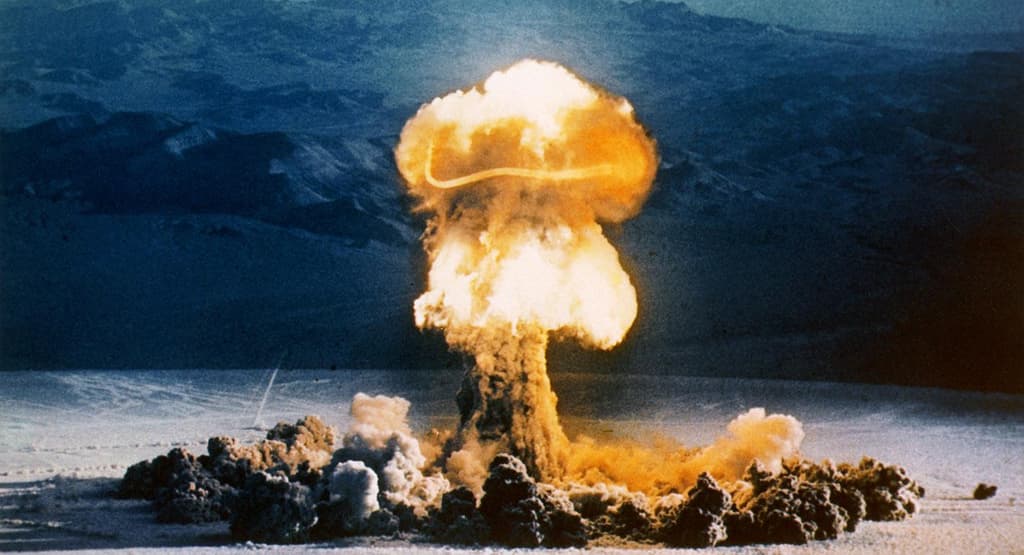
Russia has not conducted a nuclear weapon detonation test since 1990, adhering to a de facto moratorium despite revoking ratification of the Comprehensive Nuclear-Test-Ban Treaty in 2023 and the full expiration of New START on February 5, 2026, which ended bilateral limits on deployed strategic nuclear weapons. In the past week, Russian forces completed nuclear drills in Siberia on April 2 involving RS-24 Yars intercontinental ballistic missiles capable of carrying nuclear warheads, focusing on maneuvers rather than live detonations. Earlier announcements indicate planned flight tests of new solid-fuel ICBMs later in 2026 to replace aging Topol-M systems, but these are conventional missile trials without nuclear yields. Amid Ukraine conflict escalation and arms control collapse, no official statements signal preparations for an actual nuclear explosion, leaving trader consensus skeptical of near-term tests while monitoring for rhetorical shifts or surprise announcements.
Experimental AI-generated summary referencing Polymarket data. This is not trading advice and plays no role in how this market resolves. · Updated$1,341,580 Vol.
June 30, 2026
2%
September 30, 2026
8%
December 31, 2026
12%
$1,341,580 Vol.
June 30, 2026
2%
September 30, 2026
8%
December 31, 2026
12%
A nuclear test is defined as the intentional non-combat detonation of a device by Russia that produces a nuclear chain reaction (fission or fusion), regardless of yield.
Accidents, radiological dispersal devices (bombs that spread radioactive material using conventional explosives such as "dirty bombs"), or actions by third parties will not count toward this market's resolution.
Tests not explicitly claimed by Russia may still qualify if a clear consensus of credible reporting attributes the nuclear detonation to Russia. For example, an unclaimed nuclear test analogous to the 1979 "Vela Incident" would count if credible reporting attributes it to Russia.
The resolution source for this market will be a broad consensus of credible reporting.
Market Opened: Mar 31, 2026, 3:33 PM ET
Resolver
0x65070BE91...A nuclear test is defined as the intentional non-combat detonation of a device by Russia that produces a nuclear chain reaction (fission or fusion), regardless of yield.
Accidents, radiological dispersal devices (bombs that spread radioactive material using conventional explosives such as "dirty bombs"), or actions by third parties will not count toward this market's resolution.
Tests not explicitly claimed by Russia may still qualify if a clear consensus of credible reporting attributes the nuclear detonation to Russia. For example, an unclaimed nuclear test analogous to the 1979 "Vela Incident" would count if credible reporting attributes it to Russia.
The resolution source for this market will be a broad consensus of credible reporting.
Resolver
0x65070BE91...Russia has not conducted a nuclear weapon detonation test since 1990, adhering to a de facto moratorium despite revoking ratification of the Comprehensive Nuclear-Test-Ban Treaty in 2023 and the full expiration of New START on February 5, 2026, which ended bilateral limits on deployed strategic nuclear weapons. In the past week, Russian forces completed nuclear drills in Siberia on April 2 involving RS-24 Yars intercontinental ballistic missiles capable of carrying nuclear warheads, focusing on maneuvers rather than live detonations. Earlier announcements indicate planned flight tests of new solid-fuel ICBMs later in 2026 to replace aging Topol-M systems, but these are conventional missile trials without nuclear yields. Amid Ukraine conflict escalation and arms control collapse, no official statements signal preparations for an actual nuclear explosion, leaving trader consensus skeptical of near-term tests while monitoring for rhetorical shifts or surprise announcements.
Experimental AI-generated summary referencing Polymarket data. This is not trading advice and plays no role in how this market resolves. · Updated

Beware of external links.
Beware of external links.
Frequently Asked Questions