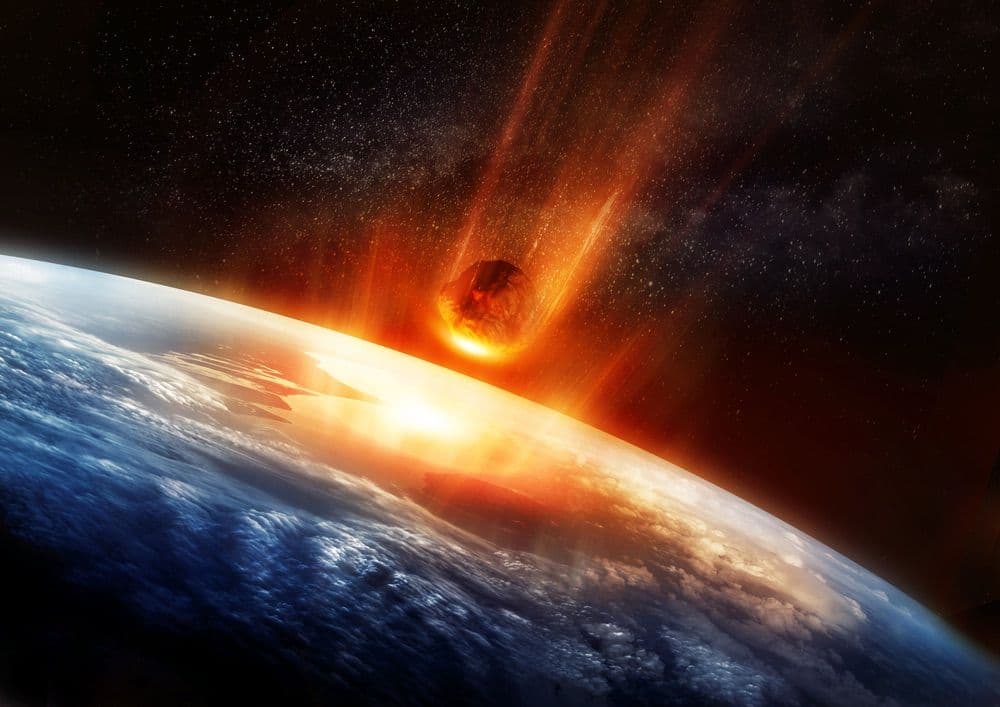
NASA's Center for Near-Earth Object Studies (CNEOS) reports no tracked asteroids on a collision course with Earth in the remaining months of 2026 via its Sentry impact monitoring system, bolstering the market-implied 94.5% probability for no 100-kiloton TNT-equivalent meteor strike. This trader consensus reflects a historical base rate of roughly 5% annually for such bolides—airbursts from ~10-meter meteoroids—derived from decades of global sensor data, with none confirmed in 2026 despite a Q1 surge in smaller fireballs attributed to seasonal meteor activity. Enhanced detection by U.S. government sensors continues, but realistic challenges include an undetected small near-Earth object producing an unforeseen high-energy event, though probabilities remain low given observational baselines.
Experimental AI-generated summary referencing Polymarket data. This is not trading advice and plays no role in how this market resolves. · Updated100kt meteor strike in 2026?
100kt meteor strike in 2026?
The object must be classified as a natural meteoroid; events involving artificial objects or reentry vehicles do not qualify.
The primary resolution source will be the NASA JPL Fireball and Bolide Data repository: https://cneos.jpl.nasa.gov/fireballs/. The relevant field for determining impact energy is the “Impact Energy (kt)” column. If this dataset has not been updated to include all relevant dates by February 28, 2027, or if the NASA JPL Fireball and Bolide Data repository becomes permanently unavailable, this market may resolve based on a consensus of credible sources including the European Space Agency (ESA), the International Asteroid Warning Network (IAWN), the U.S. Department of Defense, or credible reporting of a scientific consensus, such as a NASA press release.
Market Opened: Jan 2, 2026, 2:23 PM ET
Resolver
0x65070BE91...The object must be classified as a natural meteoroid; events involving artificial objects or reentry vehicles do not qualify.
The primary resolution source will be the NASA JPL Fireball and Bolide Data repository: https://cneos.jpl.nasa.gov/fireballs/. The relevant field for determining impact energy is the “Impact Energy (kt)” column. If this dataset has not been updated to include all relevant dates by February 28, 2027, or if the NASA JPL Fireball and Bolide Data repository becomes permanently unavailable, this market may resolve based on a consensus of credible sources including the European Space Agency (ESA), the International Asteroid Warning Network (IAWN), the U.S. Department of Defense, or credible reporting of a scientific consensus, such as a NASA press release.
Resolver
0x65070BE91...NASA's Center for Near-Earth Object Studies (CNEOS) reports no tracked asteroids on a collision course with Earth in the remaining months of 2026 via its Sentry impact monitoring system, bolstering the market-implied 94.5% probability for no 100-kiloton TNT-equivalent meteor strike. This trader consensus reflects a historical base rate of roughly 5% annually for such bolides—airbursts from ~10-meter meteoroids—derived from decades of global sensor data, with none confirmed in 2026 despite a Q1 surge in smaller fireballs attributed to seasonal meteor activity. Enhanced detection by U.S. government sensors continues, but realistic challenges include an undetected small near-Earth object producing an unforeseen high-energy event, though probabilities remain low given observational baselines.
Experimental AI-generated summary referencing Polymarket data. This is not trading advice and plays no role in how this market resolves. · Updated
Beware of external links.
Beware of external links.
Frequently Asked Questions