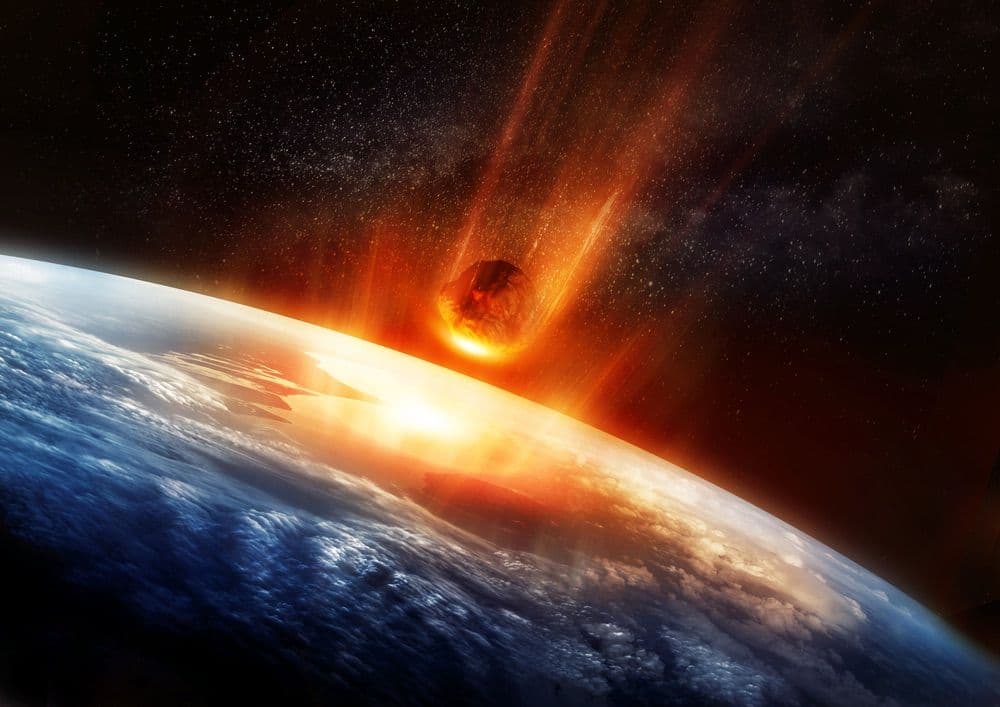
NASA's Center for Near-Earth Object Studies (CNEOS) Sentry system reports zero potential Earth impacts in 2026 from cataloged asteroids, driving trader consensus toward "No" at 64% implied probability for a 5-kiloton meteor airburst. Such events, typically from undetected 5-10 meter bolides exploding at 20-40 km altitude, occur roughly once every 2-5 years based on historical CNEOS fireball data from U.S. government sensors detecting infrasound and satellite observations. The last confirmed >=5kt release was a 5.1kt Pacific airburst on July 20, 2024, with none in 2025 or early 2026 despite recent safe flybys like house-sized 2026 GD. Ongoing NEO surveys by Pan-STARRS and ATLAS may spot smaller threats, but ocean/remote detection gaps sustain moderate uncertainty.
Experimental AI-generated summary referencing Polymarket data. This is not trading advice and plays no role in how this market resolves. · Updated5kt meteor strike in 2026?
5kt meteor strike in 2026?
$290,269 Vol.
$290,269 Vol.
$290,269 Vol.
$290,269 Vol.
The object must be classified as a natural meteoroid; events involving artificial objects or reentry vehicles do not qualify.
The primary resolution source will be the NASA JPL Fireball and Bolide Data repository: https://cneos.jpl.nasa.gov/fireballs/. The relevant field for determining impact energy is the “Impact Energy (kt)” column. If this dataset has not been updated to include all relevant dates by February 28, 2027, or if the NASA JPL Fireball and Bolide Data repository becomes permanently unavailable, this market may resolve based on a consensus of credible sources including the European Space Agency (ESA), the International Asteroid Warning Network (IAWN), the U.S. Department of Defense, or credible reporting of a scientific consensus, such as a NASA press release.
Market Opened: Dec 31, 2025, 12:04 PM ET
Resolver
0x65070BE91...The object must be classified as a natural meteoroid; events involving artificial objects or reentry vehicles do not qualify.
The primary resolution source will be the NASA JPL Fireball and Bolide Data repository: https://cneos.jpl.nasa.gov/fireballs/. The relevant field for determining impact energy is the “Impact Energy (kt)” column. If this dataset has not been updated to include all relevant dates by February 28, 2027, or if the NASA JPL Fireball and Bolide Data repository becomes permanently unavailable, this market may resolve based on a consensus of credible sources including the European Space Agency (ESA), the International Asteroid Warning Network (IAWN), the U.S. Department of Defense, or credible reporting of a scientific consensus, such as a NASA press release.
Resolver
0x65070BE91...NASA's Center for Near-Earth Object Studies (CNEOS) Sentry system reports zero potential Earth impacts in 2026 from cataloged asteroids, driving trader consensus toward "No" at 64% implied probability for a 5-kiloton meteor airburst. Such events, typically from undetected 5-10 meter bolides exploding at 20-40 km altitude, occur roughly once every 2-5 years based on historical CNEOS fireball data from U.S. government sensors detecting infrasound and satellite observations. The last confirmed >=5kt release was a 5.1kt Pacific airburst on July 20, 2024, with none in 2025 or early 2026 despite recent safe flybys like house-sized 2026 GD. Ongoing NEO surveys by Pan-STARRS and ATLAS may spot smaller threats, but ocean/remote detection gaps sustain moderate uncertainty.
Experimental AI-generated summary referencing Polymarket data. This is not trading advice and plays no role in how this market resolves. · Updated
Beware of external links.
Beware of external links.
Frequently Asked Questions