
Trader consensus at 97.5% against the Iranian regime falling by April 30 reflects its resilience amid the 2025-2026 protests and escalation into open conflict with U.S. and Israeli airstrikes, including Supreme Leader Khamenei's death on March 1 that triggered a contested succession but no power vacuum leading to collapse. Security forces' violent crackdowns quelled widespread unrest by mid-March, while lack of unified opposition inside Iran has prevented coordinated uprisings despite economic woes and ongoing demonstrations. Recent diplomatic posturing, including collapsed Pakistan-brokered peace talks on April 12 and threats against Gulf ports, signals regime cohesion. Realistic shifts could stem from mass military defections, uncontrollable protests, or decisive external intervention, though structural barriers like decentralized control favor continuity.
Experimental AI-generated summary referencing Polymarket data. This is not trading advice and plays no role in how this market resolves. · UpdatedWill the Iranian regime fall by April 30?
Will the Iranian regime fall by April 30?
$29,962,610 Vol.
$29,962,610 Vol.
$29,962,610 Vol.
$29,962,610 Vol.
This requires a broad consensus of reporting indicating that core structures of the Islamic Republic (e.g. the office of the Supreme Leader, the Guardian Council, IRGC control under clerical authority) have been dissolved, incapacitated, or replaced by a fundamentally different governing system or otherwise lost de facto power over a majority of the population of Iran. This could occur via revolution, civil war, military coup, or voluntary abdication, but only qualifies if the Islamic Republic no longer exercises sovereign power.
Routine political events such as elections, reforms, or leadership succession do not qualify. Internal coups or power shifts that preserve the Islamic Republic’s core structures also do not qualify. Only a clear break in continuity—such as a new provisional government, revolutionary council, or constitution replacing the Islamic Republic will qualify.
Partial loss of territory or challenges from rebel or exile groups will not qualify unless the Islamic Republic no longer administers the majority of the Iranian population within Iran.
The resolution source will be a consensus of credible reporting.
Market Opened: Mar 5, 2026, 12:03 PM ET
Resolver
0x65070BE91...This requires a broad consensus of reporting indicating that core structures of the Islamic Republic (e.g. the office of the Supreme Leader, the Guardian Council, IRGC control under clerical authority) have been dissolved, incapacitated, or replaced by a fundamentally different governing system or otherwise lost de facto power over a majority of the population of Iran. This could occur via revolution, civil war, military coup, or voluntary abdication, but only qualifies if the Islamic Republic no longer exercises sovereign power.
Routine political events such as elections, reforms, or leadership succession do not qualify. Internal coups or power shifts that preserve the Islamic Republic’s core structures also do not qualify. Only a clear break in continuity—such as a new provisional government, revolutionary council, or constitution replacing the Islamic Republic will qualify.
Partial loss of territory or challenges from rebel or exile groups will not qualify unless the Islamic Republic no longer administers the majority of the Iranian population within Iran.
The resolution source will be a consensus of credible reporting.
Resolver
0x65070BE91...Trader consensus at 97.5% against the Iranian regime falling by April 30 reflects its resilience amid the 2025-2026 protests and escalation into open conflict with U.S. and Israeli airstrikes, including Supreme Leader Khamenei's death on March 1 that triggered a contested succession but no power vacuum leading to collapse. Security forces' violent crackdowns quelled widespread unrest by mid-March, while lack of unified opposition inside Iran has prevented coordinated uprisings despite economic woes and ongoing demonstrations. Recent diplomatic posturing, including collapsed Pakistan-brokered peace talks on April 12 and threats against Gulf ports, signals regime cohesion. Realistic shifts could stem from mass military defections, uncontrollable protests, or decisive external intervention, though structural barriers like decentralized control favor continuity.
Experimental AI-generated summary referencing Polymarket data. This is not trading advice and plays no role in how this market resolves. · Updated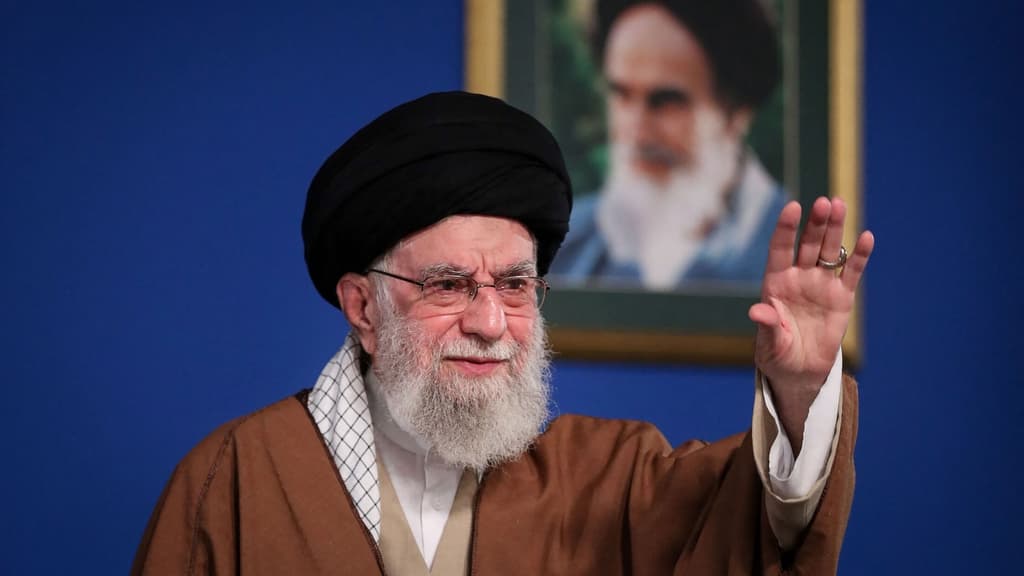

Beware of external links.
Beware of external links.
Frequently Asked Questions